
In the practice of personal injury law, most cases involve injuries from which a victim eventually recovers. A broken arm heals; whiplash subsides; a sprained ankle regains its strength. But there is another category of cases Catastrophic Injury Claims where “recovery” in the traditional sense is impossible. These are the injuries that divide a life into “before” and “after.”
For families in Marietta facing this reality whether due to a truck collision on I-75, a construction accident, or a severe fall the focus shifts from getting back to normal to defining a “new normal.” The financial stakes in these cases are incredibly high, often involving millions of dollars in lifetime care costs.
Understanding the legal distinction of catastrophic injuries in Georgia, and knowing how to properly value long-term compensation, is the only way to ensure that a tragic accident does not lead to financial ruin.
What Qualifies as a “Catastrophic Injury” in Georgia?
While the term “catastrophic” sounds subjective, in the legal realm specifically regarding workers’ compensation and complex personal injury litigation it has a precise definition. Under Georgia law (O.C.G.A. § 34-9-200.1), an injury is generally deemed catastrophic if it prevents the victim from returning to their prior work or performing most activities of daily living.
Legally and medically, these injuries typically include:
- Spinal Cord Injuries: Resulting in severe paralysis, such as paraplegia or quadriplegia, requiring permanent use of a wheelchair or other assistive devices.
- Traumatic Brain Injuries (TBI): Severe cognitive impairment that affects memory, speech, motor function, or personality, often requiring 24-hour supervision.
- Amputations: Loss of a hand, foot, arm, or leg that fundamentally alters a person’s mobility and ability to work.
- Severe Burns: Second or third-degree burns covering a significant portion of the body (often 25% or more) or affecting the face and hands, leading to disfigurement and loss of function.
- Blindness: Total or industrial blindness.
Why the Distinction Matters
The label “catastrophic” is not just a medical descriptor; it triggers different legal strategies. In catastrophic cases, the goal is not just reimbursement for past bills, but securing funding for a lifetime of care that the victim will essentially never stop needing.
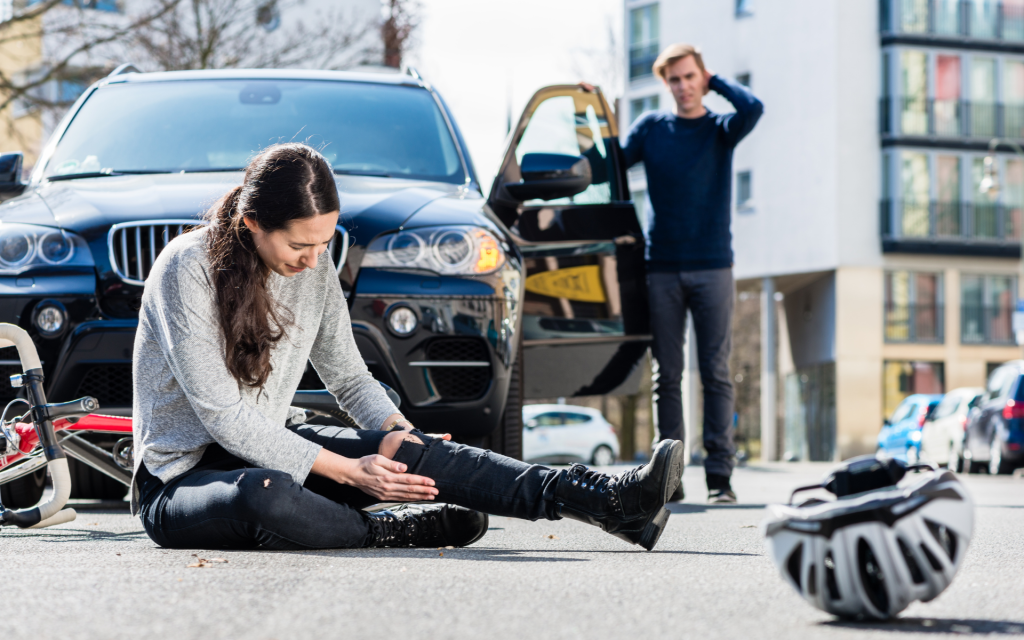
How Catastrophic Claims Differ from Standard Injury Cases
Many clients ask, “Isn’t a lawsuit just a lawsuit?” The answer is a definitive no. Catastrophic injury claims are fundamentally different from standard personal injury cases in three critical ways:
1. The Burden of Proof for “Future” Damages
In a standard fender-bender, damages are mostly retrospective: you show the jury the bills you have already paid. In a catastrophic case, the vast majority of the damages are prospective. We are asking a jury or insurance company to pay for medical needs that will exist 10, 20, or 40 years from now. This requires a much higher standard of evidence and expert testimony to prove these future needs are not speculative, but medically necessary.
2. The Complexity of Liability
Because the damages are so high, defendants fight harder. Insurance companies will rarely “roll over” and pay a policy limit if that limit is substantial. They will employ teams of investigators and medical experts to argue that the victim’s condition is not as severe as claimed, or that it was pre-existing.
3. The Need for Specialized Planning
A standard settlement check is deposited into a bank account. A catastrophic settlement often requires the creation of Special Needs Trusts or structured settlements to ensure the money lasts a lifetime and does not disqualify the victim from essential government benefits like Medicaid or SSDI.
Calculating Long-Term Compensation: The Life Care Plan
How do you put a price tag on the loss of the ability to walk, or the need for 24/7 nursing care for a 20-year-old victim? We do not guess. We utilize a comprehensive document called a Life Care Plan.
We collaborate with certified Life Care Planners and medical economists to meticulously map out every expense the victim will face for the rest of their life. This includes:
- Routine Medical Care: Annual check-ups, ongoing surgeries, and specialist visits.
- Therapies: Physical, occupational, speech, and psychological therapy required indefinitely to maintain function.
- Medications and Supplies: The monthly cost of catheters, pain management drugs, wound care supplies, etc.
- Home Modifications: Widening doorways, installing ramps, retrofitting bathrooms, or even purchasing a specialized home.
- Adaptive Equipment: Wheelchairs (which must be replaced every few years), specialized vans for transport, and voice-activated home systems.
- Attendant Care: The cost of hiring home health aides or nurses, often the largest single expense in the plan.
Loss of Earning Capacity
In addition to medical costs, we must calculate what the victim would have earned over their lifetime had the accident not occurred. This involves analyzing their career trajectory, promotions, inflation, and benefits. For a young professional or a skilled tradesperson in Marietta, this loss alone can be substantial.
Identifying Liability and Finding Coverage
In catastrophic cases, the damages often exceed the limits of a standard auto insurance policy. If a driver has minimum state liability coverage, it will not scratch the surface of a catastrophic claim.
Therefore, a critical part of our job at Connelly Law is finding every potential source of coverage:
- Commercial Policies: If the at-fault driver was in a commercial truck, a delivery van, or driving for a rideshare company (Uber/Lyft), the policy limits are typically much higher.
- Umbrella Policies: We investigate whether the at-fault party has personal excess liability coverage.
- Product Liability: If the injury was worsened by a vehicle defect (e.g., a roof crush or seatbelt failure), the car manufacturer may be liable.
- Premises Liability: If a fall occurred due to a dangerous condition on a commercial property, business liability insurance applies.
- Uninsured/Underinsured Motorist (UM/UIM) Coverage: Your own policy becomes a vital safety net. We look to stack multiple policies from your household to maximize available funds.
The Emotional Toll: Pain and Suffering
While economic damages are calculated with spreadsheets, non-economic damages are harder to quantify but often more significant.
How do you value the fact that a father can no longer pick up his child? That a young woman can no longer run or dance? That a victim lives in constant chronic pain?
Georgia law allows for compensation for:
- Physical pain and suffering (past and future).
- Mental anguish and emotional distress.
- Loss of enjoyment of life.
- Loss of Consortium: A spouse’s claim for the loss of companionship, affection, and intimacy resulting from the partner’s injury.
We use “Day in the Life” videos and testimony from family and friends to show the insurance adjusters or the jury the human reality behind the medical diagnosis.
Crucial Steps for Families After a Catastrophic Incident
When a loved one suffers a catastrophic injury, the family is often in shock. However, taking specific steps early on is vital for the eventual legal claim:
- Designate a Point Person: One family member should handle communications to prevent overwhelmed confusion.
- Do Not Rush to Settle: Insurance adjusters may appear at the hospital offering a quick check to “cover expenses.” Never sign this. It will almost certainly be a fraction of what is needed and will strip you of the right to sue for more later.
- Keep a Journal: Document the daily struggles sleep disruptions, pain levels, missed events, and the burden on caregivers. This is powerful evidence.
- Preserve Evidence: Do not repair the vehicle, delete photos, or throw away damaged equipment.
- Consult a Specialist Lawyer Immediately: General practice attorneys or those who only handle minor fender-benders often lack the resources to fund the experts required for a catastrophic case.
The Statute of Limitations and Repose
In Georgia, the general statute of limitations for personal injury is two years. However, in catastrophic cases, timing can be tricky.
- Incapacitation: If the victim is mentally incapacitated (e.g., in a coma or suffering severe brain damage), the “clock” may be paused (tolled) until they regain capacity or a legal guardian is appointed.
- Statute of Repose: In product liability cases (e.g., a defective tire caused the crash), there is a strict deadline (Statute of Repose) of 10 years from the date the product was manufactured, regardless of when the accident happened.
Because these exceptions are legally complex, you should never assume you have extra time without speaking to an attorney.
Why Connelly Law is the Right Choice for Marietta Families
Catastrophic injury cases are the marathon of personal injury law. They take longer, cost more to litigate, and require an emotional resilience that not every firm possesses.
At Connelly Law, we approach these cases with a blend of aggressive legal strategy and deep compassion. We understand that we are not just fighting for a check; we are fighting for your dignity, your security, and your family’s future. We invest the necessary resources to hire the best medical and economic experts to prove your case.
If your life has been forever changed by negligence in Marietta or anywhere in Georgia, we are here to help you navigate the darkness. Contact us today for a private, comprehensive consultation.